Background
Heidelberg Romanticism
Brentano, Arnim, Eichendorff - how Heidelberg became the cradle of German Romanticism in the early 19th century.
The ruin as a manifesto
By 1800 Heidelberg Castle was already what it still is: a ruin. To the generation before the Romantics that was an embarrassment. To the Romantics it was the whole point - a crumbling castle above a river, half reclaimed by nature, matched exactly what they felt the present lacked.
Heidelberg supplied that scenery ready-made, and the ruin became an argument for a past nobody present had actually lived through.
The Wunderhorn and the Heidelberg circle
Between 1805 and 1808 Clemens Brentano and Achim von Arnim published Des Knaben Wunderhorn in Heidelberg, a three-volume collection of German folk songs - partly collected, partly heavily rewritten, and hugely influential all the way to Mahler's settings.
A circle formed around them that included Joseph Görres and, for one student year, Joseph von Eichendorff. Heidelberg Romanticism lasted only a few years, but it fixed the city's reputation for the next two centuries.
What is left today
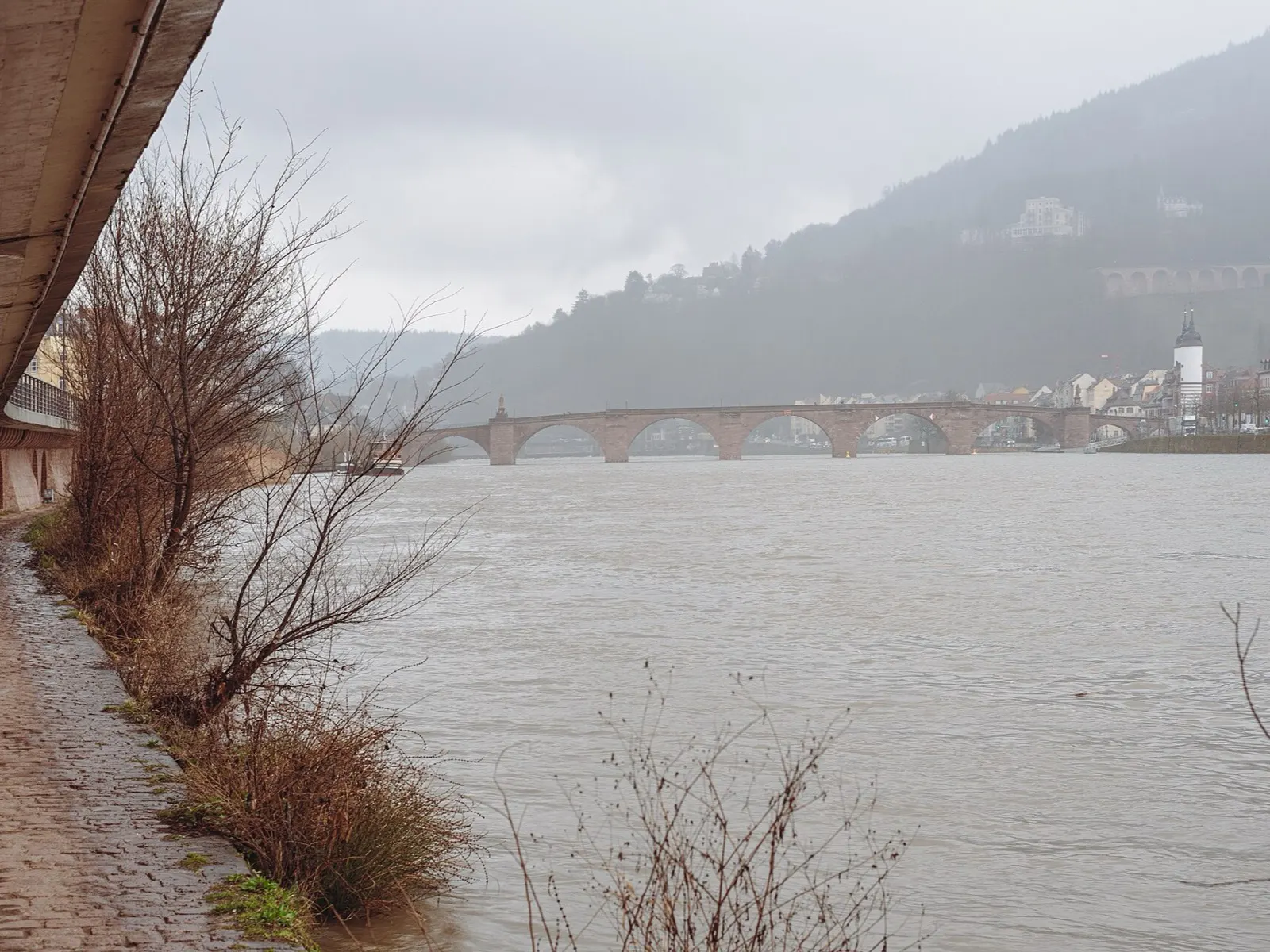
The Philosophers' Walk, the view of the castle from the Old Bridge, the panorama from the Scheffel Terrace: the sight lines every travel brochure sells today are essentially Romantic compositions, painted and described long before they were marketed.